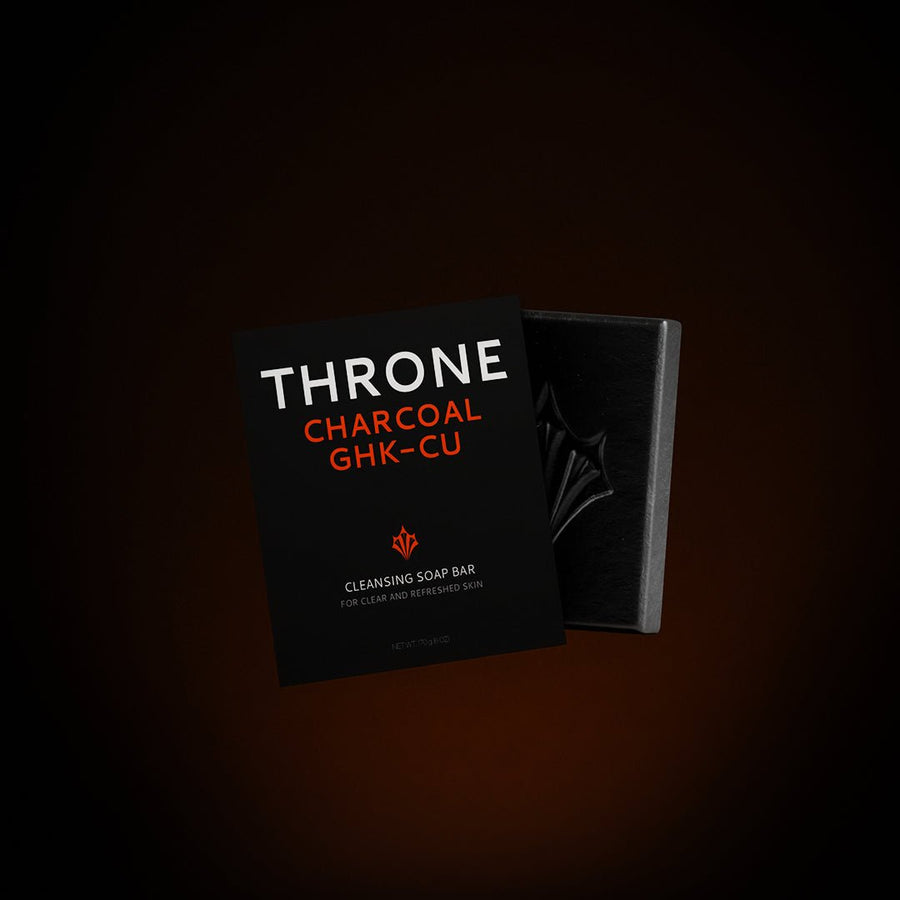
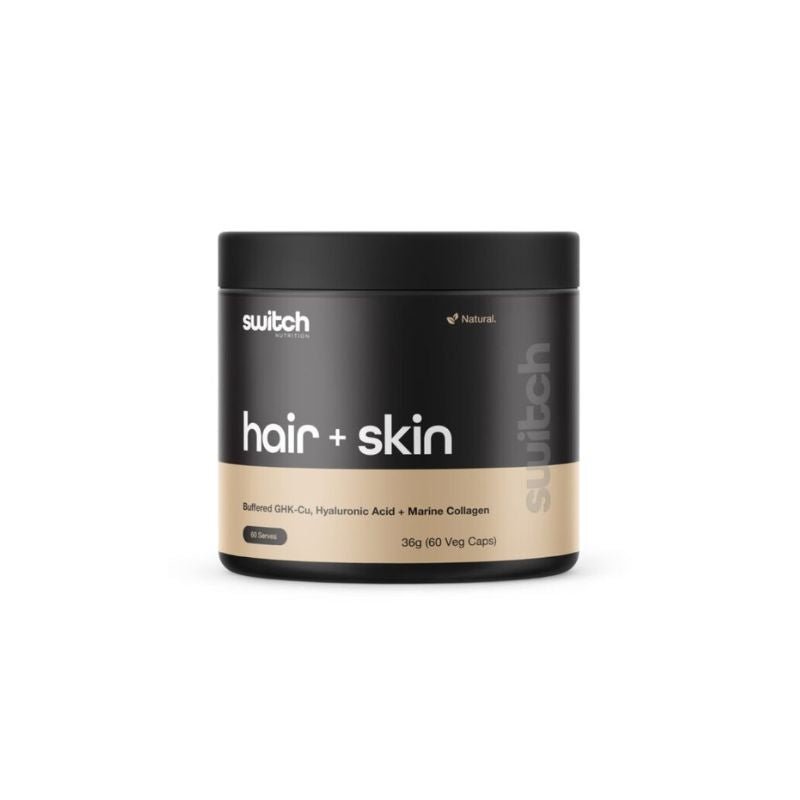
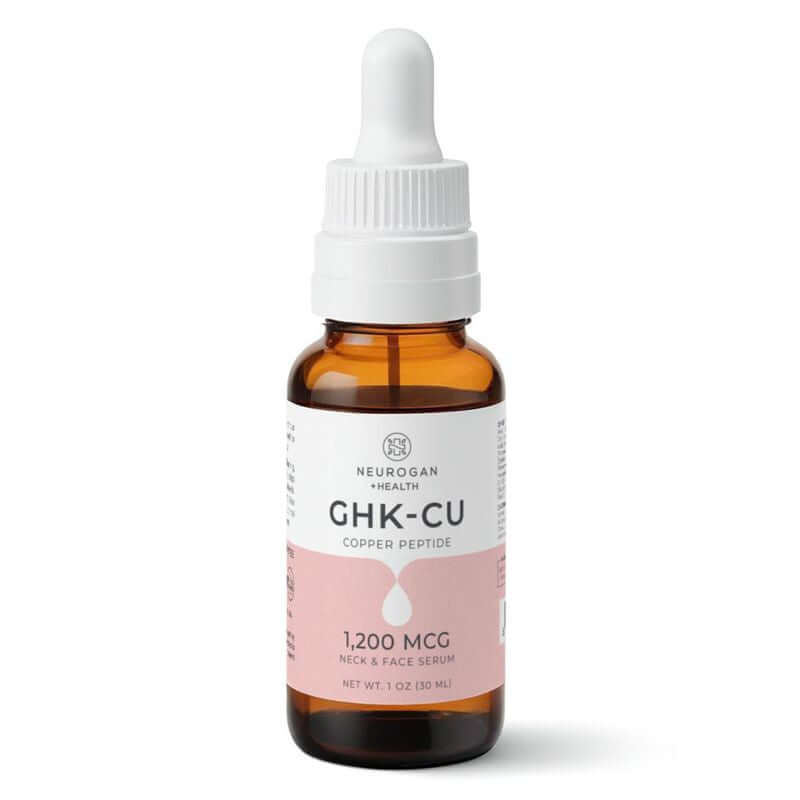
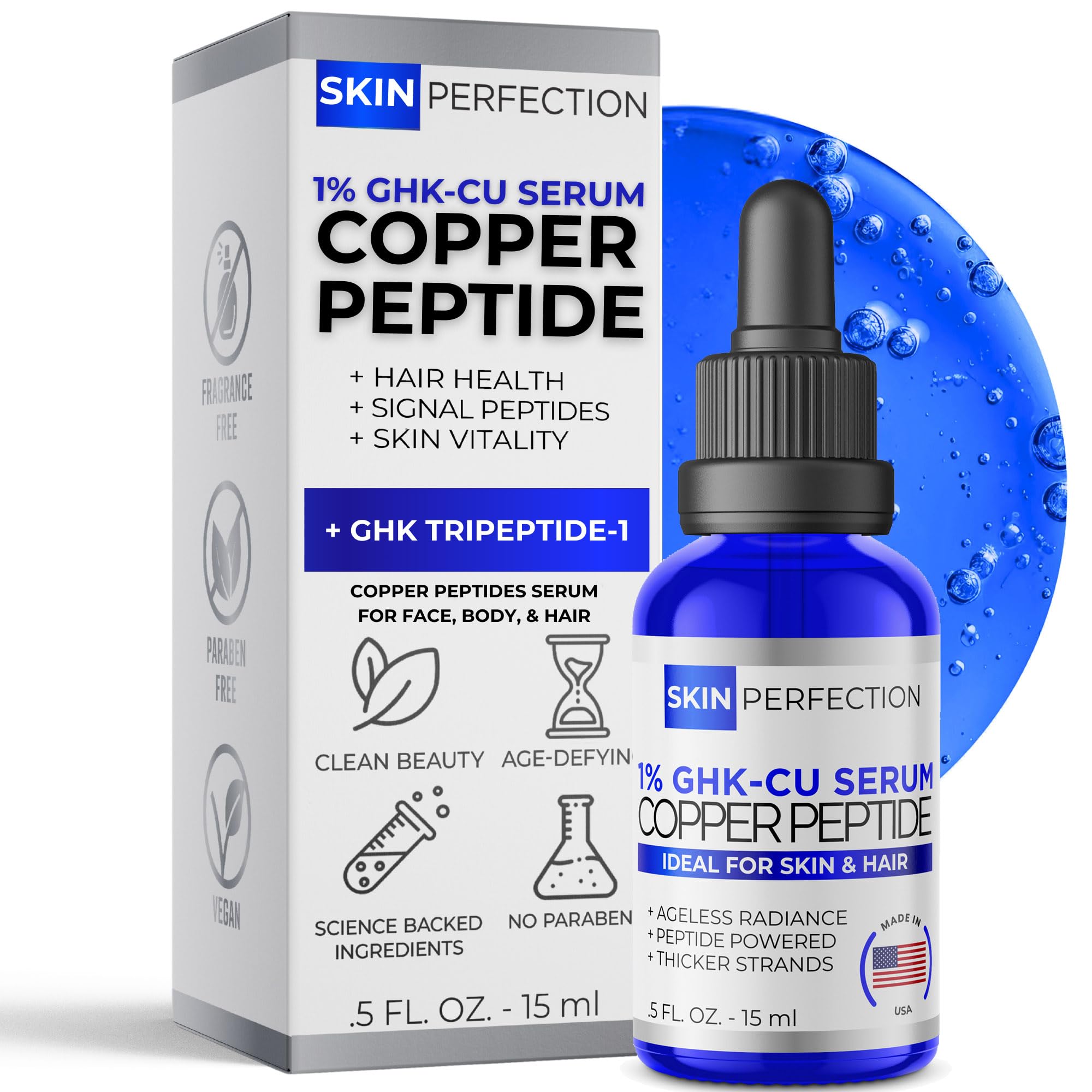
For most NEOVA users, the answer is a sequenced protocol that puts both copper peptides to work at the right moment in your routine
The documented synergy comes from pairing a GHRH analog with a GHRP, which acts on a different receptor: Ipamorelin GHRP-2 GHRP-6 Blends pairing two GHRH analogs are sold, but the supra-additive GH release reported in the literature comes from the GHRH + GHRP pairing
The other components are not specifically named on the current Prohibited List
While still less common, it offers the convenience of an oral route, making it more accessible for some patients
One business name kept coming up: Total Compounding Pharmaceuticals, or TCP
Materials You Will Need Before beginning reconstitution of either BPC-157 or TB-500, ensure you have: Lyophilized peptide vial (verify identity, lot number, and purity certificate prior to opening) Appropriate solvent (see solvent selection section below) Sterile 1 mL or 3 mL syringe with a low-dead-volume tip Sterile needle (typically 23-25 gauge for vial penetration) Alcohol swabs A laminar flow hood or biosafety cabinet for sterile preparation Aliquot vials (low-binding microcentrifuge tubes or glass vials) if preparing multiple aliquots Labeling materials: lot number, concentration, date of reconstitution, initials Solvent Selection: BPC-157 vs TB-500 BPC-157 Solvent Options BPC-157 is highly water-soluble and reconstitutes readily in aqueous solvents